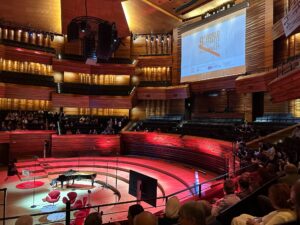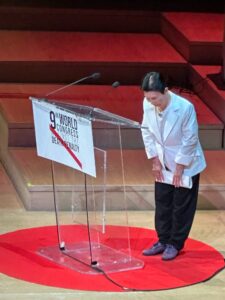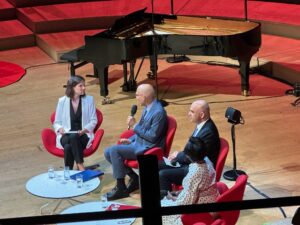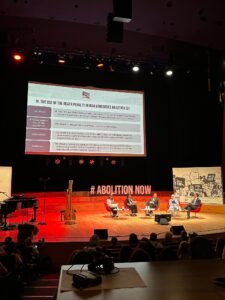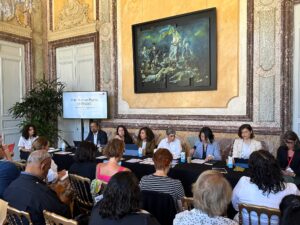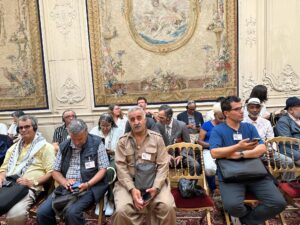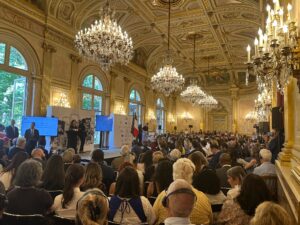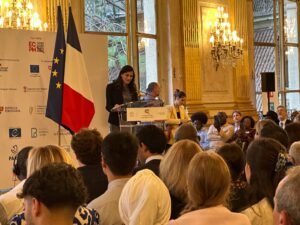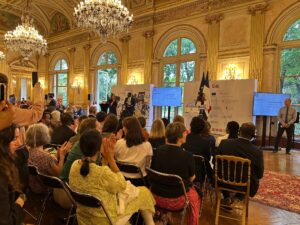
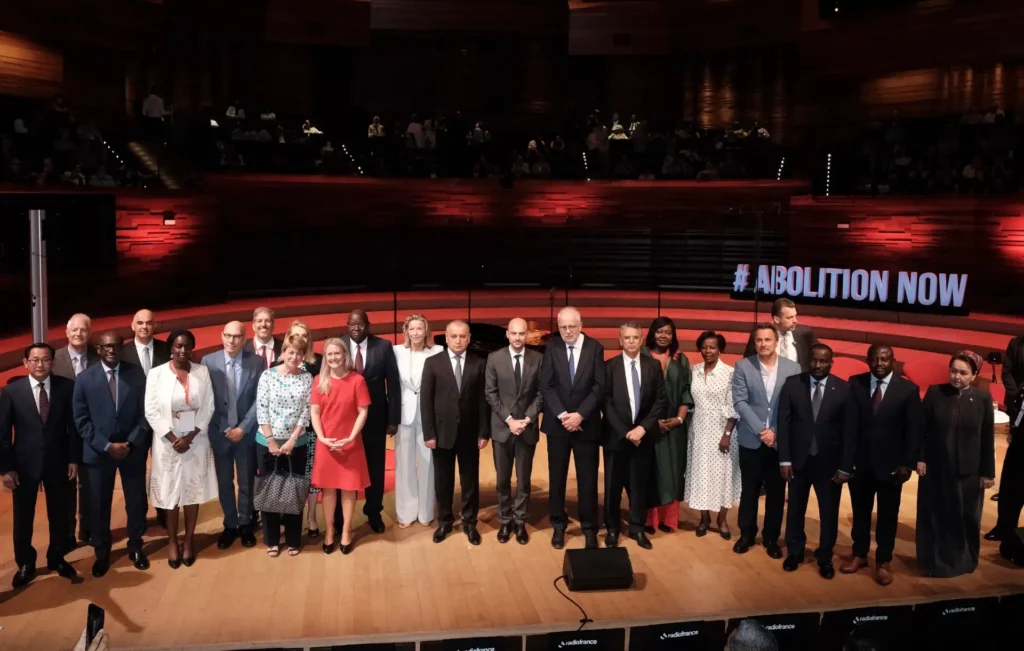
From June 30 to July 2, 2026, Paris hosted the Ninth World Congress Against the Death Penalty, one of the world’s most significant international gatherings of abolitionists, legal experts, researchers, government representatives, civil society organizations, and human rights defenders working to end capital punishment. Held every three years for more than two decades, the Congress provides a unique forum for exchanging experiences, examining current challenges, and strengthening global cooperation toward the universal abolition of the death penalty.
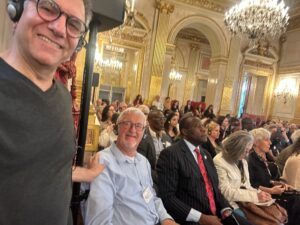
The Youth and Justice Lab, based at Carleton University in Ottawa, also participated in the Congress. In addition to hosting an exhibition booth highlighting and advocating for individuals on death row in Iran, the Lab joined hundreds of organizations and activists from around the world in the Congress’s panel discussions and specialized sessions. Participation in this international gathering provided an important opportunity to exchange expertise, expand international partnerships, and advance one of the most fundamental human rights objectives: defending the right to life, upholding human dignity, and promoting the abolition of the death penalty.
Alongside examining global progress toward abolition, this year’s Congress paid particular attention to countries that continue to make extensive use of capital punishment. Seventeen countries, including the Islamic Republic of Iran, continue to carry out executions. Consequently, Iran emerged as one of the central themes of the Congress’s discussions and expert panels. As this report will demonstrate, drawing on the statements of United Nations officials, human rights advocates, and Congress participants, the situation in Iran received sustained and significant attention throughout the event.
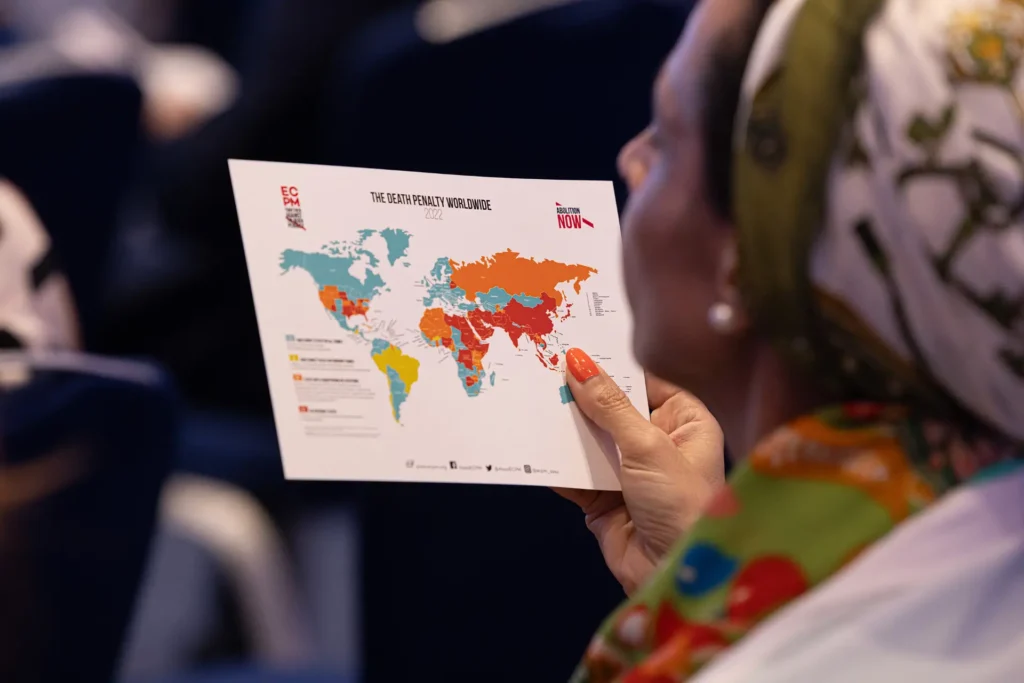
The Ninth World Congress Against the Death Penalty
The Ninth World Congress Against the Death Penalty was held in Paris from June 30 to July 2, 2026, at the initiative of Together Against the Death Penalty (Ensemble contre la peine de mort – ECPM) and in partnership with the World Coalition Against the Death Penalty. Convened every three years, the Congress is recognized as the leading international forum dedicated to the global abolition of capital punishment, bringing together human rights defenders, legal professionals, government representatives, academics, journalists, and civil society organizations from around the world.
This year’s Congress brought together more than 1,000 participants from over 100 countries. Over the course of three days, it featured 16 thematic panel discussions, dozens of side events, cultural programs, exhibitions, and youth-focused activities. The diverse program created valuable opportunities for participants to exchange experiences, build international partnerships, and examine the latest global challenges and strategies for advancing the abolition of the death penalty.
The Congress aimed to strengthen cooperation among governments, international organizations, civil society groups, and human rights advocates in advancing the worldwide movement to abolish capital punishment. It also sought to promote the right to life, raise public awareness, and reinforce the role of young people in the global abolitionist movement. In addition to legal and judicial issues, this year’s agenda addressed the role of civil society, the responsibilities of states, the experiences of abolitionist countries, youth engagement, and the situation in countries that continue to make extensive use of the death penalty.
The Congress took place at a time when capital punishment continues to be used in a number of countries as a tool to suppress political dissent, restrict fundamental freedoms, and intimidate civil society. Against this backdrop, the Ninth World Congress served not only as a forum for exchanging knowledge and experience, but also as a powerful expression of global solidarity and a renewed affirmation that the abolition of the death penalty is inseparable from the defense of human dignity and fundamental human rights.
The Congress’s Central Message: Defending Human Dignity and Justice
Although the sessions of the Ninth World Congress Against the Death Penalty addressed a wide range of issues—including judicial reform, the responsibilities of states, the role of civil society, and the experiences of countries that have abolished capital punishment—they were united by a common principle: the inherent dignity of every human being and the right to life.
In an interview conducted on the sidelines of the Congress, Hossein Raeesi, a human rights lawyer and Director of the Youth and Justice Lab at Carleton University, emphasized the significance of the event:
“The struggle against the death penalty is part of the broader struggle for freedom and the protection of human dignity. This movement is not about condoning crime; it is about achieving justice, because there is no justice in the death penalty.”
This emphasis on human dignity and the right to life was echoed by many participants and officials throughout the Congress. During the opening ceremony, President Emmanuel Macron stressed that the death penalty has never made societies safer, describing its abolition as a reflection of humanity’s moral progress. As he stated:
“The abolition of the death penalty is the recognition of human dignity.”
He further affirmed:
“The death penalty has never made any society safer.”
The speeches, expert panels, and discussions held throughout the Congress underscored a shared understanding that the debate over capital punishment extends far beyond criminal justice policy. It is fundamentally connected to the core principles of human rights, the right to life, human dignity, and justice. From this perspective, justice cannot be reduced to the imposition of punishment alone. Rather, it requires fair trial guarantees, respect for the rights of the accused, the absolute prohibition of torture, and the protection of fundamental human rights. Accordingly, the abolition of the death penalty is viewed not as a departure from justice, but as a step toward building more humane justice systems grounded in international human rights standards.
“The abolition of the death penalty is the recognition of human dignity.”
— Emmanuel Macron
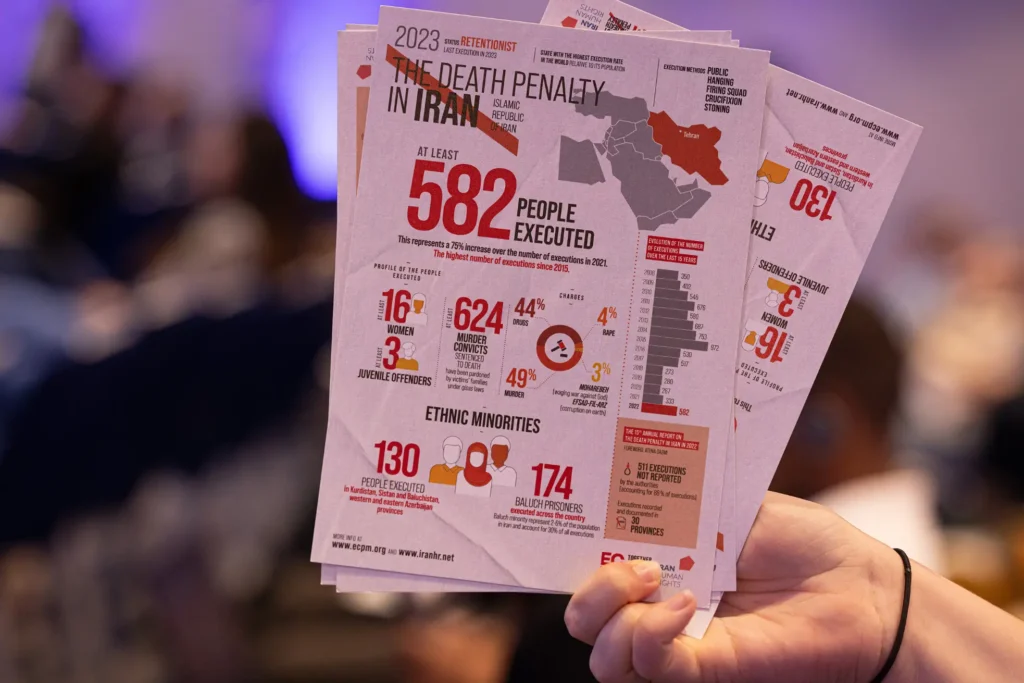
Iran at the Center of Attention
One of the most prominent themes of the Ninth World Congress Against the Death Penalty was the use of the death penalty in Iran. Several expert panels examined the country’s escalating use of the death penalty, persistent violations of fair trial guarantees, and the responsibility of judicial institutions in issuing death sentences. In his interview during the Congress, Hossein Raeesi, a human rights lawyer and Director of the Youth and Justice Lab at Carleton University, reflected on the discussions that took place throughout the event:
“Unfortunately, in virtually every speech and panel discussion, the Islamic Republic of Iran was identified as one of the countries carrying out the highest number of executions.”
In this context, Sara Hossain, Chair of the United Nations Independent International Fact-Finding Mission on the Islamic Republic of Iran, presented the Mission’s latest findings during one of the Congress’s expert sessions. She expressed grave concern over the sharp increase in executions in Iran, noting that the Fact-Finding Mission’s investigations indicate that the use of the death penalty has risen significantly since 2021 and accelerated further following developments in 2025.
According to the figures presented during the session, at least 464 people were executed in Iran between July and September 2025 alone, while 222 executions were recorded in October 2025. According to Hossain, this represents the highest monthly execution total documented in at least twenty-five years. She further reported that, by the time the Congress convened, at least 363 executions had already been recorded in Iran during 2026.
Hossain also expressed serious concern about the judicial processes leading to the imposition of death sentences. According to the findings of the Fact-Finding Mission, many of these cases are prosecuted before Iran’s Revolutionary Courts, which exercise broad jurisdiction over national security cases. The Mission has documented repeated failures by these courts to meet international standards of fair trial and due process.
She further stated that the Fact-Finding Mission has documented credible evidence indicating that, in some capital cases, convictions were based on confessions obtained through torture or other forms of coercion. Combined with the denial of effective access to legal counsel, restrictions on defendants’ rights to present a defense, and other violations of due process, these practices raise profound concerns about the fairness and integrity of judicial proceedings in death penalty cases.
Concluding her remarks, the Chair of the United Nations Fact-Finding Mission called on the Islamic Republic of Iran to immediately halt all executions and to establish an official moratorium as a first step toward the complete abolition of the death penalty. She also stressed the urgent need to uphold international fair trial standards, prohibit torture in all circumstances, and ensure accountability for those responsible for human rights violations.
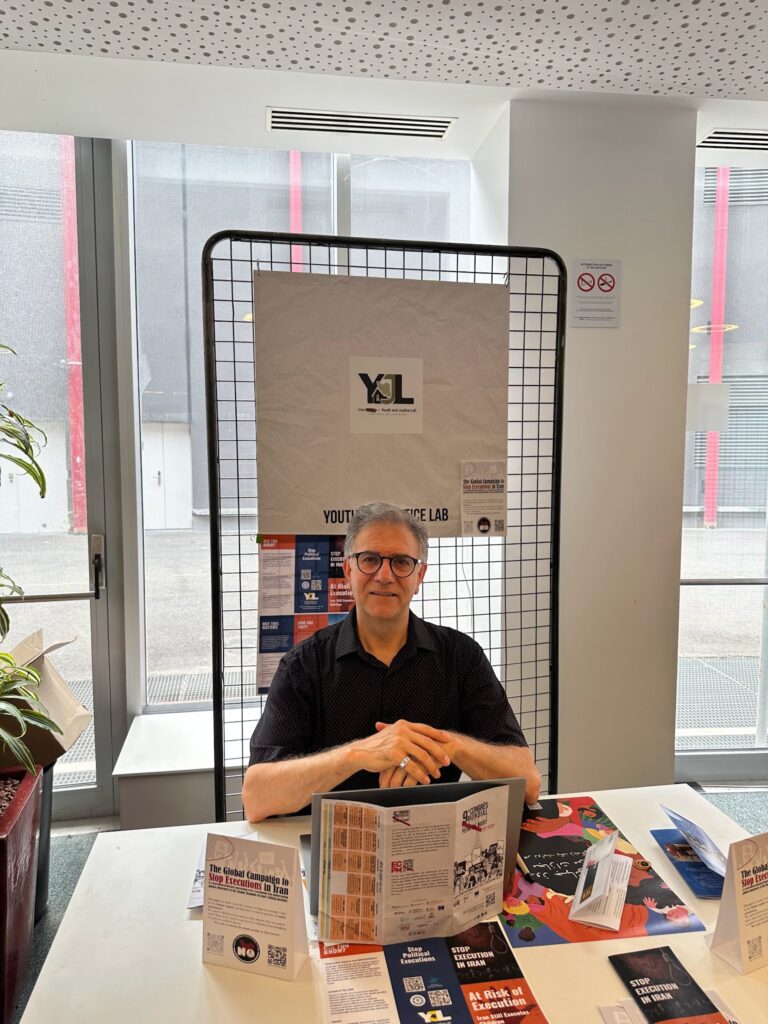
The Participation of the Youth and Justice Lab
The participation of the Youth and Justice Lab at the Ninth World Congress Against the Death Penalty provided an important opportunity to contribute to a global dialogue on one of the most fundamental human rights issues while also drawing international attention to the continuing use of the death penalty in Iran.
In an interview conducted on the sidelines of the Congress, Hossein Raeisi, a human rights lawyer and Director of the Youth and Justice Lab at Carleton University, highlighted the broad international participation of abolition advocates:
“More than one thousand anti-death penalty advocates from over 100 countries are gathered here. These are people who are committed to the fight against capital punishment, and I consider myself part of this global abolitionist movement.”
Raeisi described the Congress as far more than an international conference. In his view, it serves as a forum where lawyers, academics, researchers, human rights defenders, and civil society organizations can exchange experiences, strengthen collaboration, and develop legal, policy, and practical strategies to advance the abolition of the death penalty and reinforce international cooperation.
Referring to Iran’s place in the Congress’s discussions, Raeisi noted that the Islamic Republic continues to be regarded as one of the countries that makes extensive use of capital punishment, particularly in political, national security, and drug-related cases. He emphasized that this practice continues to draw serious criticism for its incompatibility with international human rights standards.
Concluding the interview, Raeisi expressed hope that Iran would one day follow the path taken by countries that have abolished the death penalty:
“We hope that one day our country’s name will also be remembered with pride—just as France is honored today on the fortieth anniversary of the abolition of the death penalty. We hope that one day Iran, too, will be counted among the countries that have chosen to abolish capital punishment.”
“The struggle against the death penalty is part of the broader struggle for freedom and the protection of human dignity.”
— Hossein Raeisi, Human Rights Lawyer
Closing Message: Hope for a World Without the Death Penalty
After three days of dialogue, expert panels, and exchanges among human rights advocates, legal professionals, government representatives, and civil society organizations, the Ninth World Congress Against the Death Penalty concluded with a clear and shared message: the abolition of the death penalty is not a distant ideal, but a path that many countries have already taken—and one that the international community continues to advance.
During the closing ceremony, Portugal’s Minister of Justice reflected on his country’s experience in abolishing capital punishment, describing it as an integral part of Portugal’s broader commitment to human rights and the rule of law. Quoting the French writer and philosopher Victor Hugo, he observed:
“To proclaim a principle is more beautiful than to discover a world.”
He went on to affirm:
“The abolition of the death penalty is a sign of humanity’s progress.”
These remarks, together with the experiences of countries that have removed capital punishment from their legal systems over recent decades, underscored that abolition is not merely a symbolic achievement. Rather, it is the result of sustained legal, social, and political efforts to protect human dignity and uphold the fundamental right to life.
The closing ceremony also recognized several organizations whose work has made a significant contribution to the global movement against the death penalty. Iran Human Rights received the award for Outstanding Documentation in recognition of its efforts to document and report on the use of capital punishment.
The Congress also highlighted countries that have recently suspended executions or are actively pursuing the complete legal abolition of the death penalty. The Ministers of Justice of Lebanon and Morocco—both countries that have maintained long-standing moratoriums on executions—participated in the closing ceremony and spoke about their ongoing efforts to transform these moratoriums into formal legal abolition. The Lebanese Minister of Justice noted that legislation to abolish the death penalty is expected to be presented to Parliament in the near future. Meanwhile, Morocco’s Minister of Justice invited participants to hold the next World Congress Against the Death Penalty in Morocco, reflecting the country’s continued commitment to advancing the global abolitionist movement.
Conclusion
The Ninth World Congress Against the Death Penalty once again demonstrated that the movement to abolish capital punishment transcends national borders and has become an integral part of the global effort to defend human dignity, the right to life, and justice. The participation of human rights defenders, academics, lawyers, representatives of international organizations, and civil society groups from around the world reflected the growing strength of a global network committed to ending the use of the death penalty.
For the Youth and Justice Lab, participation in the Congress provided an important opportunity to contribute to this international dialogue while raising concerns about the human rights situation and the continued use of the death penalty in Iran. The discussions held throughout the Congress—particularly the sustained focus on Iran and the findings presented by the United Nations Independent International Fact-Finding Mission on the Islamic Republic of Iran—demonstrated that the use of capital punishment in Iran remains a matter of serious concern for the international community.
At a time when an increasing number of countries have abolished the death penalty or suspended its use, the Paris Congress served as a reminder that the movement toward universal abolition continues to gain momentum. Above all, it reaffirmed that this movement is founded on the defense of human dignity, the guarantee of fair trial rights, and the protection of the fundamental right to life.
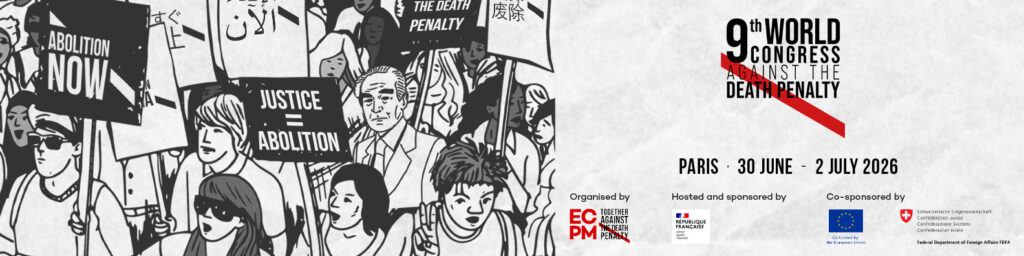
Congress at a Glance
📍 Location: Paris, France
📅 Dates: June 30 – July 2, 2026
👥 Participants: More than 1,000 attendees
🌍 Countries Represented: More than 100
🏛 Organizer: Together Against the Death Penalty (Ensemble contre la peine de mort – ECPM)
🤝 Co-organizer: World Coalition Against the Death Penalty
Gallery: